
Production and workshop floors
Aisles, machine surrounds, swept and scrubbed concrete, and the boundary where production space meets a finished floor. Work is planned against the shift pattern and any area that must be clear to be cleaned.
Serving Virginia Beach, Virginia & surrounding areas
Mon–Fri 8am–6pm Sat 9am–2pm
Plenty of facilities here never fully stop, which changes what a cleaning visit can look like. Rather than waiting for an empty building, the scope is built to work safely alongside a shift that is still running.
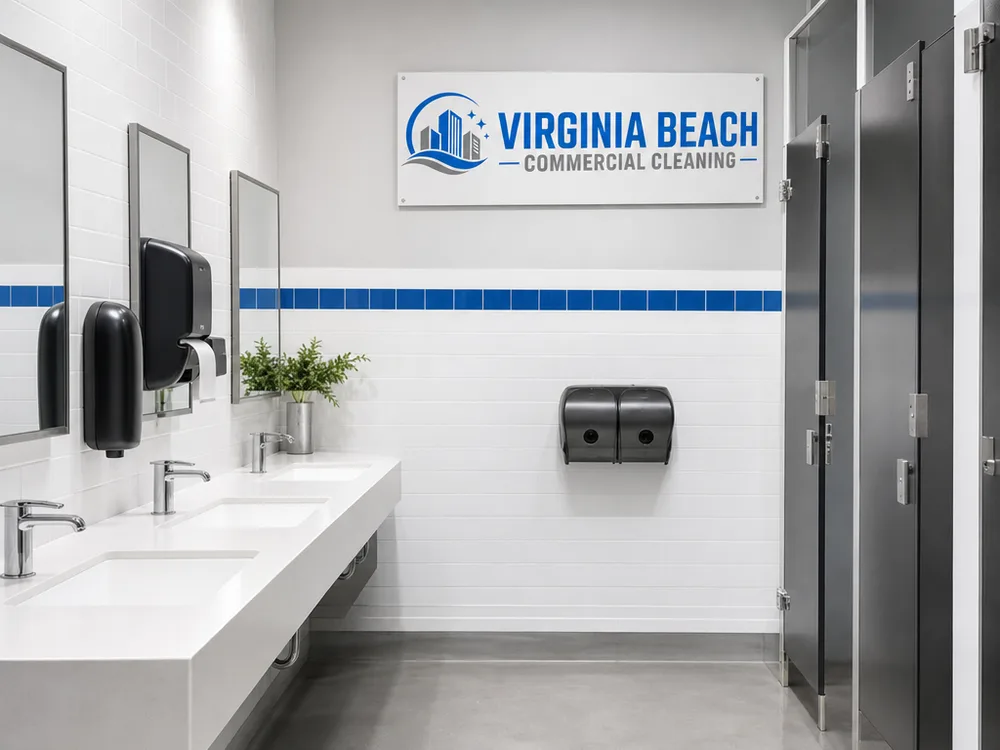
A facility running continuous or overlapping shifts rarely offers the empty window that a standard nightly scope assumes. The workable answer is to split the scope by area rather than by time: office and administrative space is cleaned while production continues, welfare areas are timed to the gap between shift changes, and anything needing an area to be clear is scheduled against a known shutdown instead of being attempted opportunistically. That split is decided at the walkthrough and written down, because the alternative is a crew arriving to find the one area they came for still occupied. Where a shutdown is the only safe moment for a job such as floor refinishing, it goes in the scope as a scheduled periodic item with its own notice period rather than as part of routine service.
A mixed facility usually needs three different standards under one roof: production space, welfare areas and office space. These are the areas a scope separates first.
Aisles, machine surrounds, swept and scrubbed concrete, and the boundary where production space meets a finished floor. Work is planned against the shift pattern and any area that must be clear to be cleaned.
Break rooms, changing areas, lockers and the showers where a site has them. These carry the highest expectation per square foot and are usually timed to the quiet point between shifts.
Fixtures, partitions, floors and dispensers at a frequency matched to headcount rather than floor area. On a continuously staffed site this is normally the most frequent item in the scope.
Workstations, meeting rooms, reception and circulation, cleaned while the operational side of the building continues. The standard here matches a commercial office, not the plant floor.
Loading bays, receiving floors and the paths between them, where outdoor grit and indoor traffic meet. Scheduled more frequently in wet months, which the scope states explicitly.
Stripping, refinishing and deep extraction scheduled against planned downtime rather than squeezed into a routine visit, each with its own interval and notice period in the scope.
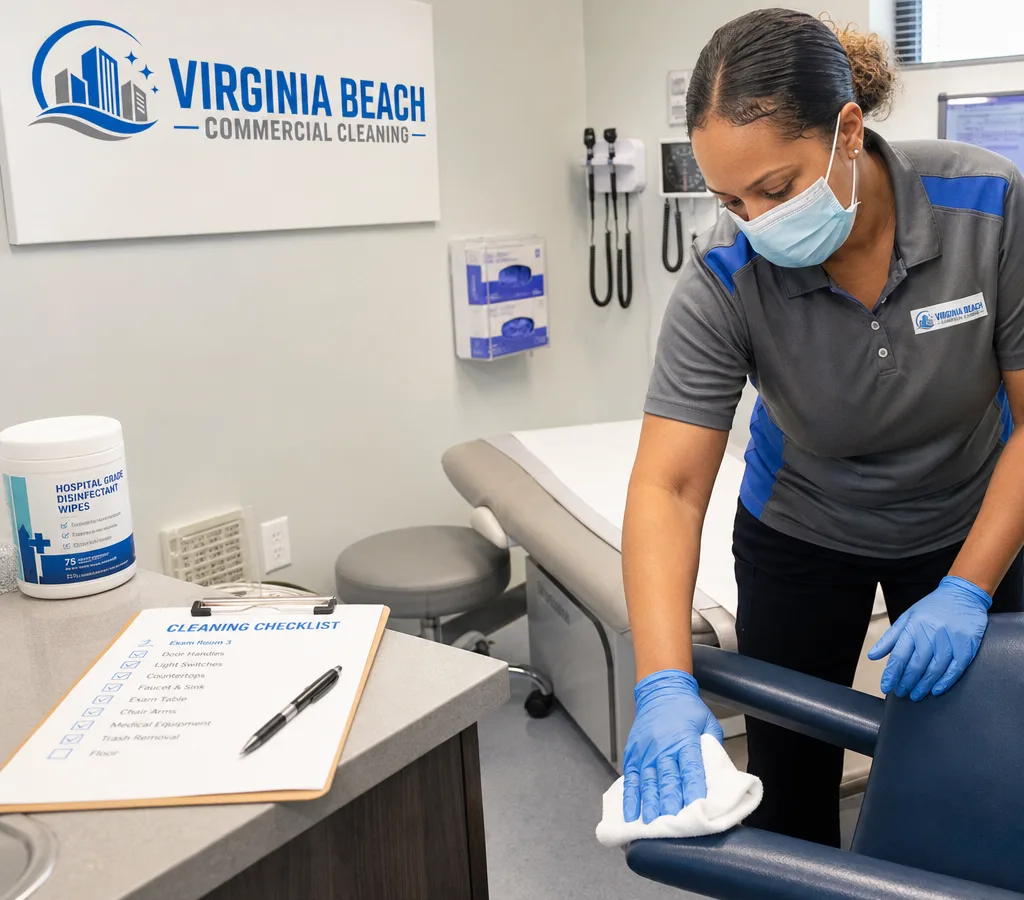
Cleaning alongside an active shift is mostly a question of sequence and boundaries. Before recurring work starts, we establish which areas a crew may enter unaccompanied, which need an escort or a permit, where personal protective equipment is mandatory, and who on site has authority to stop or redirect work. Those answers go into the scope beside the task list, so a new crew member inherits them rather than learning them by trial. Wet floor management matters more here than in an empty office: a freshly mopped route through a working area is a hazard rather than a finished job, so the order of work is planned so that floors dry in sections the site can still use. Where the site has its own induction or sign-in requirement, that becomes part of the visit procedure and is accounted for in the time quoted.
Setup concentrates on the two things that decide whether a plan survives contact with a working building: shift timing and safe access.
Tell us the facility type, the shift pattern and which areas are operational around the clock. That shapes every scheduling decision that follows.
A walkthrough while the building is in use shows the real constraints, which an empty-building visit hides. We confirm surfaces, headcount, access and the areas needing special handling.
Escorts, permits, protective equipment, induction requirements and the person with authority to redirect work are all recorded before a crew attends.
Each area gets its own task list, frequency and working window, with anything needing a shutdown listed separately as a periodic item.
After the first cycle we check which windows held and which did not, then revise the scope. A plan that assumed an empty area it never gets is corrected rather than carried forward.
The schedule and the conditions drive the number more than floor area does. Across our service area, commercial cleaning typically ranges from about $0.10 to $0.30 per square foot per visit, and many smaller offices land around $250 to $900 per month depending on frequency. Industrial and higher-traffic facilities generally price above that band: more labor time, a tighter process, and often an access or safety procedure that adds time to every visit. Periodic floor work tied to a shutdown is quoted per project rather than folded into the recurring figure, because its scope and its timing are both different from routine service. Final pricing follows an on-site walkthrough and a written scope of work.
Most questions here concern working around production, safety requirements, and what happens to jobs that need an area to be empty.
Yes. The scope is split by area rather than assuming an empty building: office and welfare space is timed around shift changes, and anything requiring a clear area is scheduled against planned downtime.
Yes, and the induction time is accounted for in the quote. Sign-in, protective equipment requirements and escort rules are recorded in the scope so each visit follows the same procedure.
Floors are done in sections so a usable route always remains, with signage in place. The order of work is planned at setup rather than decided on the night.
Usually not safely, which is why that work is listed as a periodic item tied to planned downtime, with its own notice period. Attempting it around a running shift produces a poor floor and a hazard.
No, and they should not be. The scope sets a different task list and frequency for each, because a workshop floor and a reception area fail in completely different ways.
The scope is revised. A working window that no longer exists is the main reason a plan starts missing areas, so a changed pattern is a documented update rather than something a crew works around.
Yes, and they are usually scheduled more often in wet months because outdoor grit tracks straight in. That seasonal change is written into the scope instead of handled informally.
Tell us the shift pattern, the areas in scope and the safety procedure a crew needs to follow. We will walk the site while it is working and write a plan against the conditions you really have.
Request a quote
Send the details and we will arrange a walkthrough, then confirm a written scope and cost before anything is scheduled.